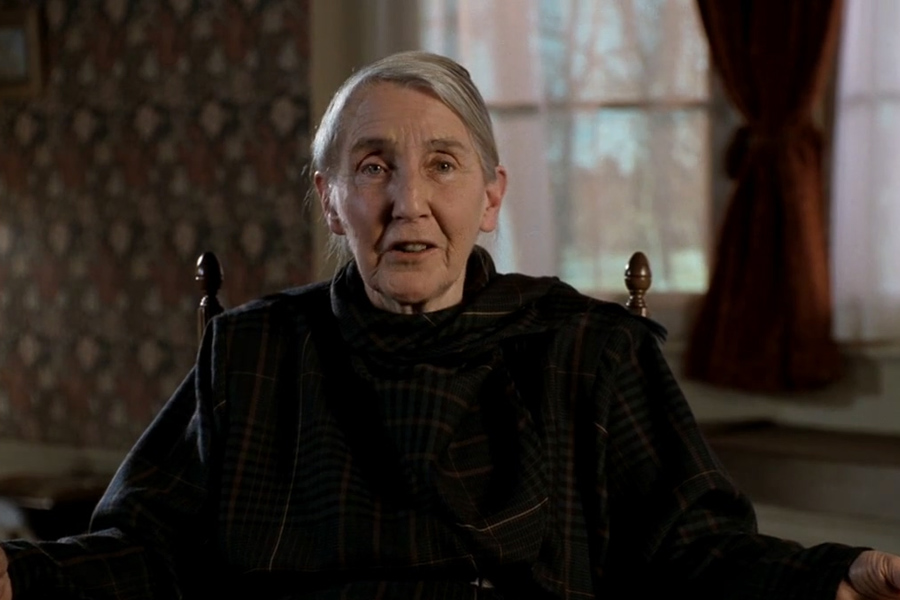
Who Was Isobel Hawking
Isobel Hawking, born Isobel Eileen Walker in 1915, was the thoughtful center of a family that would shape modern science. She studied Philosophy, Politics and Economics at Oxford, then worked as a secretary in a medical research institute. She married Dr Frank Hawking, a medical researcher, and together they raised four children, including the eldest, Stephen William Hawking, who would become one of the most recognized minds of the twentieth century. Isobel died in 2013, having lived a long life largely outside the spotlight, preferring the calm texture of family and learning over public attention.
I picture her as the quiet wind behind the sails. Not the figurehead at the prow, but the steady current that carried the ship forward.
Oxford Education and Early Work
Isobel’s choice to read PPE at Oxford speaks volumes about her temperament and curiosity. PPE is a demanding blend of critical thinking, ethical frameworks, and real world analysis. It invites debate at the kitchen table and reflection on how societies organize themselves. After university, she worked as a secretary in a medical research institute, a practical role that placed her amid the rhythms of scientific life. That practical proximity to research, combined with a philosophical outlook, made for a rare tandem of pragmatism and vision.
When I consider the texture of her days in those years, I imagine the quiet clatter of keys, the scent of lab paper and coffee, conversations about trials and parasites, and a feeling that knowledge was both noble and necessary.
Marriage to Frank Hawking
Isobel married Frank Hawking, a physician and researcher whose career centered on parasitology. Frank’s work demanded precision and patience, and the couple’s partnership appears to have been grounded in respect for scholarship and a willingness to adapt. They built a home where books were abundant and curiosity was the daily language. Their marriage carried them through wartime years and into postwar Britain, the backdrop changing from Oxford to St Albans to the orbit of Cambridge, but the family’s intellectual pulse remained steady.
I sense a partnership of complementary strengths. His technical investigations. Her broad lens and careful organization. Together, a household that made room for questioning and imagination.
Raising a Family in Wartime and After
The birth of Stephen William Hawking on 8 January 1942 took place in Oxford, a safer haven during wartime. That choice reflects the pragmatic courage of Isobel. It is one thing to value study and research on sunny days, quite another to preserve those values under the pressure of conflict. Later, daughters Mary and Philippa arrived, and in the mid 1950s the family adopted a son, Edward Frank David. This widened family circle was more than a list of names. It was a daily choreography of meals, school runs, small economies, and the kind of mundane miracles that make a household resilient.
I imagine a table marked by pencil nicks and tea rings, sibling voices crossing paths, and a mother who could move between the philosophical and the practical in a single conversation.
Stephen Hawking, the Eldest
Stephen was a child of sharp questions and a mischievous sense of logic. From everything known about the family, Isobel encouraged reading, exploration, and independence. She valued education without turning it into pressure. She understood that the mind blooms at different speeds for different souls. In that spirit, Stephen’s childhood blended tinkering, mathematical games, and a patient tolerance for the odd project that left a mess in the hallway. The gift Isobel gave was not simply access to books. It was a permission structure for thinking. Space to be curious. Courage to be original.
As I look back through the lens of Isobel’s presence, Stephen’s genius feels less like a bolt from the blue and more like a seed well planted and carefully tended.
Mary and Philippa
Mary and Philippa, Stephen’s sisters, grew up in the same climate of inquiry. It is easy to fixate on Stephen and forget that the family was a tapestry, not a spotlight. The sisters’ presence helped form a balanced home. Siblings share the unglamorous work of family, a steadying rhythm that often keeps exceptional children from drifting too far outside the ordinary joys. Isobel’s approach to parenting did not draw hard lines between subjects or roles. Everyone belonged. Everyone contributed. Everyone learned.
I see in that environment the gentle tug of family life, the anchor that lets talent swing and still return to harbor.
Edward, Adopted Son
Edward Frank David was adopted in the mid-1950s. Adoption changes a home’s heart. Everyone is challenged to cultivate empathy and belonging. Isobel and Frank intentionally expanded their family tale by welcoming Edward. The home values of patience and curiosity applied to relationships and ideas. Edward reinforced a theme. Loving is active. Inclusion is everyday craft.
Grandchildren and Later Years
Isobel became a grandmother to three children through Stephen’s marriage to Jane Wilde. Robert, Lucy, and Timothy are part of the living thread that connects generations. Lucy, a writer, carried forward the family’s engagement with ideas and communication. Robert and Tim have been publicly named in family profiles and are known as part of Stephen’s immediate circle. In her later years, Isobel saw her family ripple outward into public life. Yet she kept a modest profile, a guardian of the family story rather than its public narrator.
I imagine her pride measured not by headlines but by quiet moments. A letter tucked in a book. A conversation after dinner. A hand on a shoulder when words were not needed.
Ancestry and Family Character
Isobel was the daughter of Dr James Walker and Agnes, often called Nancy. With a father in medicine and a mother whose steadiness is remembered, Isobel’s upbringing crafted a bridge between professional discipline and home warmth. That blend carried through to her own marriage and children. The arc is recognizable. A doctor’s household teaches the focus that complex problems require. A mother’s home teaches the patience that relationships need. Isobel held both truths at once.
Later Years and Passing
Frank died in 1986, closing a chapter of shared inquiry and family building. Isobel lived on for decades, witnessing the expanding influence of her eldest son and the continued growth of a family poised between labs and libraries. She died in April 2013. Even absent the public stage, her legacy lives in a posture toward knowledge and care. The Hawking family story is often told in the language of physics. In truth, it began in the language of values.
When I think of Isobel’s life, I think of a lamp at dusk. Not blinding. Not dim. Just steady, guiding the next steps.
FAQ
What did Isobel Hawking study at university
Isobel studied Philosophy, Politics and Economics at the University of Oxford. That course is known for its interdisciplinary rigor and for cultivating analytical thinking across moral, social, and economic questions.
Where did the family live during Stephen Hawking’s childhood
The family’s early years centered around Oxford, with later periods in places like St Albans and the academic orbit of Cambridge. The household remained anchored by books, conversation, and practical resourcefulness.
Who were Isobel Hawking’s children
Isobel and Frank Hawking had four children. Stephen William was the eldest. Mary and Philippa were the younger daughters. The family later adopted Edward Frank David.
Did the Hawking family adopt a child
Yes. Edward Frank David joined the family through adoption in the mid 1950s. His presence reflects the family’s commitment to inclusion and care.
Who were Isobel’s parents
Isobel was the daughter of Dr James Walker and Agnes, often called Nancy. That lineage helped shape the medical and intellectual environment she later cultivated at home.
When did Isobel Hawking pass away
Isobel Hawking died in April 2013 after a long life in which she preferred modesty and substance over public attention.
Was Isobel involved in public controversies
No widely reported controversies center on Isobel. She maintained a private profile and is remembered in the context of family, education, and quiet support for scholarship.
How did Isobel influence Stephen Hawking’s development
Isobel created a home where curiosity was normal, books were abundant, and questions were welcomed. She balanced high expectations with patience, an approach that supported Stephen’s distinctive path and sustained his confidence in exploring difficult ideas.