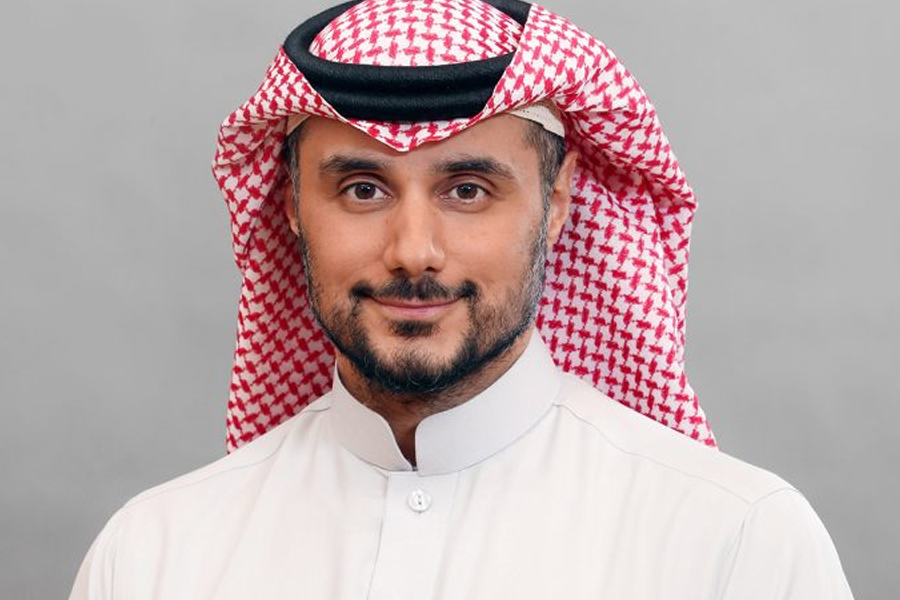
A Prince Shaped by Lineage and Change
Khalid Bin Talal Al Saud lives at the confluence of royal tradition and modern transformation, a place where the desert’s old rhythms meet the city’s restless lights. Born on January 10, 1962, in Riyadh, he is a grandson of King Abdulaziz, the founder of Saudi Arabia, and a son of Prince Talal bin Abdulaziz, a reform-minded figure once known as the Red Prince. His mother, Mona El Solh, extended the family’s reach into Lebanese political heritage as the daughter of Lebanon’s first Prime Minister, Riad Al Solh. That dual heritage gave Khalid a unique vantage point. The Saudi palace corridors shaped his identity, while the Levant’s politics added perspective and texture.
Unlike his globally known brother, Prince Al Waleed bin Talal, Khalid charted a quieter course. He chose the life of a businessman rooted in private enterprise rather than towering investments. His public voice, when raised, has often defended traditional values. He emerged over time as a conservative presence, wary of rapid cultural shifts, guided by a personal compass that points to faith, continuity, and familial duty.
Family Ties Across the Peninsula and the Levant
Family is the axis around which Khalid’s life revolves. His father, Prince Talal bin Abdulaziz, served in senior government roles and later founded AGFUND, a testament to his humanitarian vision. His mother, Princess Mona El Solh, brought an elegant blend of Lebanese and Arab social activism to the family’s identity. That pairing produced children whose lives reflect both Saudi royal customs and a broader Arab world lens.
Khalid’s marriage to Jazzi bint Saud bin Abdul Aziz Al Saud in 1988 reinforced bonds within the House of Saud. Their children are central to his story. Al-Waleed bin Khalid, often called the Sleeping Prince, entered a coma after a car accident in 2005 and remained in that state for two decades. His death in 2025 was a profound moment for the family and for those who had followed the story of a father’s uncompromising devotion. Other children include Walid, Mohammed, Saud, Nouf, and Ghada. Nouf has taken on philanthropic roles, including work with the Prince Talal bin Abdulaziz Al Saud Foundation, reflecting the family’s tradition of service. Saud’s successful surgery in late 2025 drew public prayers and renewed attention to the family’s private trials.
Khalid’s siblings underscore the breadth of the family’s influence. His brother, Al Waleed bin Talal, is a billionaire investor known around the world for major stakes and bold ventures. Their public differences at times, including debates over cultural reforms, reveal how diverse views coexist within the same royal branch.
Career and Legacy of a Low-Key Businessman
Private enterprise drives Khalid’s career. His company, Al Nafood Trading Establishment, is better renowned locally than globally. That option demonstrates steadiness. Quiet current, not raging tidal. He temporarily served as president of Al-Hilal Volleyball Club, honoring royal patronage for sports and culture. His lack of press recognition shows his preference for prudence and constancy.
His net worth is not publicly disclosed. It is presumably substantial by virtue of royal status and business interests, yet not calibrated to the scale of his brother’s global fortune. In the public imagination, his most enduring legacy is perhaps not tied to wealth or corporate milestones, but to perseverance. The long vigil by his son’s bedside became a lantern of faith in the eyes of many Saudis.
Controversies and Conservative Voice
Khalid’s public persona is closely tied to his conservative stance on cultural and political matters. In 2011, he drew international attention by offering a bounty for the capture of an Israeli soldier after the Gilad Shalit exchange. Earlier, in 2009, he criticized the introduction of cinema, voicing concerns about cultural erosion. These statements cemented his reputation as a defender of traditional norms at a time when Saudi society was accelerating reforms.
His disagreements with certain modernization policies culminated in his 2017 arrest, reportedly linked to opposition to changes in the religious police’s role. He was released in 2018, then reportedly detained again later that year following his father’s passing. Those episodes highlighted the friction between entrenched values and the kingdom’s evolving social contract.
Recent Developments and Public Mentions
In 2025, news centered around deeply personal matters. The death of his son, Al-Waleed, after a 20-year coma, prompted widespread condolences and reflections on the family’s resilience. Nouf’s participation in a child welfare forum that year signaled the family’s continued commitment to social issues. Saud’s successful surgery drew supportive messages and reminded observers that even royals navigate ordinary human fragility.
Khalid’s social media footprint has been light. Mentions tend to rise around family milestones, tributes, and occasional sports references. Over recent years, his profile has quieted, a choice aligned with his overall preference for privacy and steadiness.
Timeline Highlights
- 1875 to 1953: King Abdulaziz founds and unifies Saudi Arabia, establishing Khalid’s royal lineage.
- 1894 to 1951: Riad Al Solh leads Lebanon to independence, shaping Khalid’s maternal heritage.
- 1919 to 2018: Prince Talal’s career and activism influence the family’s public ethos.
- 1962: Khalid is born in Riyadh to Talal bin Abdulaziz and Mona El Solh.
- 1988: Marries Jazzi bint Saud, strengthening ties within the House of Saud.
- 1989: Birth of his son Al-Waleed.
- 2005: Al-Waleed’s accident in London leads to a prolonged coma.
- 2009: Public criticism of cinema and cultural liberalization.
- 2011: Bounty offer related to Israeli soldier capture sparks international headlines.
- 2017: Arrest linked to opposition to religious police reforms.
- 2018: Release reported, followed by another detention later that year.
- 2025: Death of Al-Waleed after 20 years in a coma. Family updates include Nouf’s forum work and Saud’s surgery.
FAQ
Who is Khalid Bin Talal Al Saud?
He is a Saudi prince born in 1962, a grandson of King Abdulaziz and the son of Prince Talal bin Abdulaziz and Princess Mona El Solh. He is known for his conservative views, his private business career, and a family story marked by faith and perseverance.
How is he connected to Lebanon’s Riad Al Solh?
Through his mother, Mona El Solh, Khalid is the maternal grandson of Riad Al Solh, Lebanon’s first Prime Minister after independence. That connection blends Saudi royal lineage with Levantine political heritage.
What happened to his son Al-Waleed?
Al-Waleed suffered a severe accident in 2005 that led to a long coma. For two decades, the family maintained hope and care. He passed away in 2025, a moment that drew condolences and reflections on the family’s endurance and faith.
What businesses does he own?
Khalid owns Al Nafood Trading Establishment. His approach to commerce is low-key, emphasizing stability over global publicity.
What are his views on Saudi reforms?
He has often voiced traditionalist views, expressing concern about rapid cultural changes. His public positions have included criticism of cinema and opposition to reducing the religious police’s role.
Is his wealth comparable to his brother’s?
His net worth is not publicly known. He is not considered in the same league as his brother, Prince Al Waleed bin Talal, whose global investments and public valuations place him in a separate category.
Why was he arrested?
He was arrested in 2017 in connection with opposition to reforms related to the religious police. Reports indicate he was released in 2018 and later detained again after his father’s death.
What role has he played in sports?
He briefly served as president of Al-Hilal Volleyball Club, reflecting royal patronage of sports and community institutions.
How active is he on social media?
His social presence is limited. Mentions usually occur around family events, tributes, and occasional references to sports or public statements.