Origins and early sparks
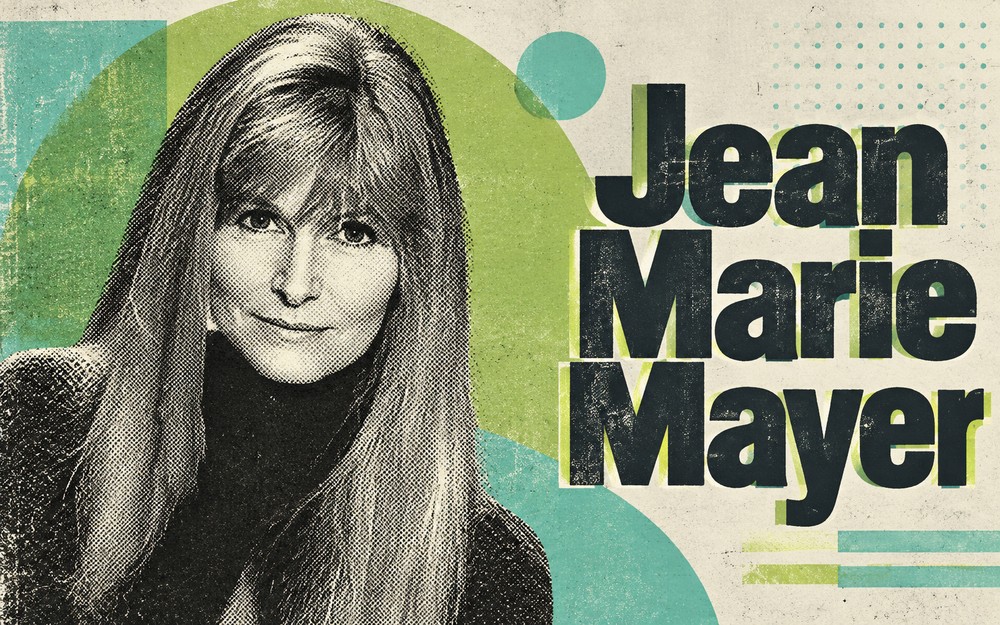
I picture the beginning as a small room filled with pencils, a guitar leaning in the corner, and a curious girl who listened closely to the shape of a melody. Jean Marie Mayer was born in 1955 in St. Albans, New York, then moved with her family to Lompoc, California, where the sky opens wide and light seems to teach its own lessons. The arts found her early. She drew, learned guitar, performed, and discovered that creativity could be both a compass and a livelihood. By her teens she was teaching guitar informally, singing with friends, and stepping into local venues, confident yet hungry to learn.
Growing up in Lompoc placed her in a landscape that rewards patience and vision. A supportive home gave her room to explore, and she took that room and made it her studio, stage, and classroom. The path that followed would wind across states and disciplines, but it kept the steady rhythm of someone who trusts their instincts.
A working musician across the American West
I am drawn to stories of endurance, the ones where the work itself is the prize. Jean’s life as a musician stretched over 25 years, with performances across central California and later in Wyoming and New Mexico. In high school she sang in a 1950s tribute band, then widened her repertoire and range. Bars, coffeehouses, small theaters, the kind of places where audiences sit close and the song must earn its welcome. Her gigs paid the bills, but they also became the bones of a creative identity. She wrote, arranged, performed, and kept at it.
Her own biography notes a unique milestone, that in 1980 she wrote Power, recorded by The Temptations. It is a detail that underscores her versatility and her willingness to reach beyond the expected. While the spotlight often falls on the final act of a performance, the real test is the years spent honing technique and voice. Jean met that test head on.
The turn toward visual arts and the camera
Artists often change mediums the way a river changes course. Around 1985, Jean began painting, then hung her work in galleries in New Mexico, California, Arizona, Texas, and Oregon. Paint demanded an attention different from performance, a slower kind of listening. When she moved to Santa Fe in 1989, the terrain offered rich colors and long shadows that lend themselves to canvas and film. She embraced traditional darkroom photography, the alchemy of light and time, and expanded into teaching workshops internationally, including Europe, India, and Mexico.
What I admire is the balance. She kept the tactile sense of making, the hands-in-chemicals discipline of darkroom work, even as she taught others how to find their eye. Teaching can be a second lens, one that clarifies your own practice. In recent years she returned to Santa Barbara County and resumed performing, a full-circle moment that speaks to continuity. The creative impulse, once lit, stays lit.
Meeting Dan Fogelberg and building a shared life
Some meetings feel inevitable once you hear about them. Jean first met Dan Fogelberg in Santa Fe in the mid 1990s, while she was performing at a café. Their friendship grew into partnership. They married on April 7, 2002, a union of two artists who understood the everyday rituals of craft. Home, music, travel, quiet, the small details that artists depend on. They built a life in Colorado that combined work and sanctuary. Jean and Dan did not have children, and neither did Dan from any prior marriage. Their bond centered on each other and on the work they loved.
Those years included profound challenges. Dan faced cancer, a journey of uncertainty and bravery, and Jean stood with him. The period of diagnosis, remission, and recurrence required courage in the face of changing days. When Dan passed in 2007, Jean became the steward of his legacy, a role that called on her organizational skill, taste, and devotion.
Family and personal relationships
Family is a constellation, sometimes bright with names and roles, other times defined by presence more than documentation. Jean’s parents are part of her origin story, moving with her to Lompoc and supporting her early artistic path. Their names are not public on her biography, yet their impact is felt in the foundation they provided. Jean’s publicly known immediate family centers on her marriage to Dan Fogelberg, and there are no public records of children or siblings with widely shared profiles.
Her extended family is a creative web, fellow musicians from her touring years, and photographers and students who encountered her in workshops. These circles matter. They provide feedback, companionship, and solidarity, the kind of close attention that keeps a working artist honest.
Stewardship of a musical legacy
I think of legacy work as the careful tending of a garden you did not plant, yet promised to protect. After Dan’s death, Jean took on the task of preserving and extending his musical presence. She produced previously unreleased recordings, including Love in Time and Live at Carnegie Hall, projects that required sensitivity to the original vision and the patience to coax the best from archival material. She maintained his official site for years, then partnered with management to oversee his digital footprint, ensuring his songs remained discoverable and honored.
There is an art to curation. Choosing what to release, how to present it, and when to share. Jean approached this work with respect for fans and for Dan’s creative spirit. She balanced these responsibilities with her own practice, continuing to teach, photograph, and perform. A legacy, like a melody, needs to be carried by someone who knows the tune.
A life traced in moments
The outline of Jean’s timeline feels like a sequence of exposures on film. Born in 1955 in St. Albans, then moving to Lompoc as a child. Performing through the 1970s. Writing a song placed with The Temptations in 1980. Painting from 1985 onward, with gallery showings across multiple states. Moving to Santa Fe in 1989, deepening her work in visual arts and photography. Meeting Dan Fogelberg in the mid 1990s, marrying in 2002, and facing the realities of illness together in the years that followed. After 2007, shaping his posthumous releases, acting as guardian of the catalog, and sustaining a dual identity as artist and legacy manager. In the early 2020s, returning to Santa Barbara County, performing again, teaching workshops, and continuing the pursuit of craft.
I read this path as proof of resilience. It is the journey of someone who knows that an artist’s life is built day by day.
FAQ
Who is Jean Marie Mayer?
Jean Marie Mayer is a musician, artist, photographer, and educator. She was born in St. Albans, New York in 1955, raised in Lompoc, California, and is known publicly as the third wife and widow of singer songwriter Dan Fogelberg. Her career spans decades of live performance, painting, traditional darkroom photography, and teaching workshops internationally.
Did Jean Marie Mayer and Dan Fogelberg have children?
No. Jean and Dan did not have children together, and Dan did not have children from any prior marriage.
Where did Jean Marie Mayer grow up?
She grew up in Lompoc, California, after moving there from St. Albans, New York, around the age of five.
What kind of art and music has she performed or produced?
She performed as a working musician across California, Wyoming, and New Mexico for more than 25 years. In the visual arts, she began painting in 1985 and exhibited in galleries in New Mexico, California, Arizona, Texas, and Oregon. She also practiced traditional darkroom photography and teaches photography workshops internationally.
How did Jean Marie Mayer contribute to Dan Fogelberg’s legacy?
After Dan’s passing in 2007, Jean curated and produced posthumous releases, including Love in Time and Live at Carnegie Hall. She managed his official online presence and later partnered with management to oversee the catalog and digital platforms.
When did she meet and marry Dan Fogelberg?
Jean met Dan in Santa Fe in the mid 1990s while performing music. They married on April 7, 2002.
Is there public information about her parents or siblings?
Her biography notes her move with family to Lompoc and the supportive environment that nurtured her creative development. The names of her parents and any siblings are not publicly listed.
What is known about her teaching work?
Jean has taught photography workshops internationally, including in Europe, India, and Mexico. She continues to teach and produce creative work, and in recent years returned to Santa Barbara County where she resumed performing.
Is there a public net worth estimate for Jean Marie Mayer?
There is no reliable public net worth figure for Jean. Her public profile emphasizes decades of artistic practice and stewardship of Dan Fogelberg’s legacy rather than financial details.
Has Jean been the subject of gossip or scandal?
No credible, mainstream gossip or scandal is associated with Jean Marie Mayer. Her public narrative centers on her creative work and her thoughtful care of Dan Fogelberg’s musical legacy.